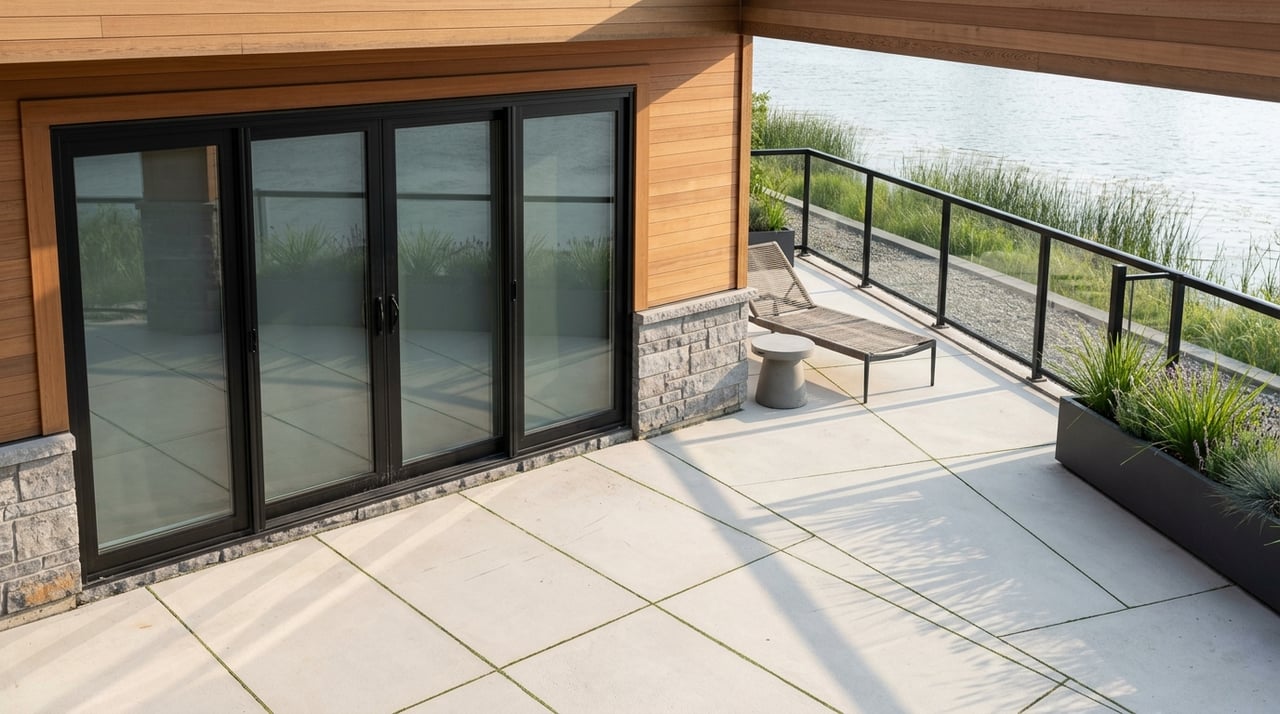
If you are trying to decide between Redwood City’s waterfront feel and its westside suburban feel, you are really choosing between two different day-to-day rhythms. One side leans into lagoon paths, Bay access, and planned-community amenities, while the other is shaped by foothill streets, mature trees, and trail-rich parks. Understanding that contrast can help you narrow your search faster and focus on the homes that fit how you actually want to live. Let’s dive in.
Why This Comparison Matters
Redwood City stretches from the San Francisco Bay shoreline to the hillsides of the Santa Cruz Mountains, about 25 miles south of San Francisco and about 27 miles north of San Jose. Because of that geography, buyers often compare the city through a simple lifestyle lens: waterfront-oriented areas on the east side and westside or foothill-proximate neighborhoods on the other.
This is not a formal city planning category, but it is a practical one. If you are choosing between Redwood Shores and areas like Farm Hill, Woodside Plaza, or Edgewood-adjacent neighborhoods, you are usually comparing commute patterns, outdoor access, housing style, and how you want your weekends to look.
Waterfront Living in Redwood City
Redwood Shores Sets the Tone
When most people think about Redwood City waterfront living, Redwood Shores is the clearest example. The city describes Redwood Shores Lagoon as a focal point for housing and retail development, with recreation uses that include boating, swimming, and windsurfing.
Redwood Shores also has a distinct housing setup. According to the city, the community includes 4,084 residential units, including 3,173 single-family homes, four apartment complexes, and one cooperative. The area is also shaped by association oversight that reviews exterior changes, waterfront-yard improvements, and new construction.
Daily Life Feels Trail-Oriented
The waterfront side tends to feel active and open-air. The Bay Trail segment through Redwood Shores offers long shoreline stretches, and the area connects by bicycle and pedestrian bridge from Foster City and continues toward the Redwood Shores Ecological Reserve.
The Port of Redwood City adds another layer of public waterfront access. There are walkways, viewing areas, picnic areas, a fishing pier, and boat-launch access to San Francisco Bay, which gives this side of the city a strong connection to the shoreline.
Amenities Are Local, But Dining Is Elsewhere
Redwood Shores has useful neighborhood amenities, but it does not function like a major dining district. The city lists the Redwood Shores Fitness Court next to the Redwood Shores Branch Library and Sandpiper Community Center, and Shore Dogs Park gives residents a fenced off-leash dog park.
That setup often appeals to buyers who want recreation close to home. For broader restaurant variety or a busier entertainment scene, many residents still look toward downtown Redwood City.
Westside Living in Redwood City
Farm Hill and Woodside Plaza Feel More Traditional
If you picture classic suburban Redwood City, the westside is often the match. The city describes Woodside Plaza as having a typical suburban visual character, with one- and two-story post-World War II homes developed in a curvilinear grid.
Farm Hill has a similar identity, but with its own character. The city describes it as primarily single-story post-World War II ranch-style architecture, softened by mature trees and landscaping.
Housing Feels More Foothill-Adjacent
The westside and hillside portions of Redwood City include areas such as Canyon, Farm Hill, Eagle Hill, and parts of Roosevelt. In some older neighborhoods, the city notes that duplexes, triplexes, and fourplexes can also be interspersed with single-family homes near transit.
For many buyers, this side feels less waterfront-planned and more organically residential. Streets, lot patterns, tree cover, and foothill proximity all shape that impression.
Outdoor Life Centers on Parks and Trails
The westside outdoor experience is very different from the shoreline feel of Redwood Shores. Instead of lagoon paths and Bay access, you get hill-and-trail recreation.
Stulsaft Park in Farm Hill includes 42 acres, hiking trails, an off-leash dog area, playgrounds, picnic tables, and restrooms. Edgewood Park & Natural Preserve offers 467 acres and ten miles of trails, while the Crystal Springs Regional Trail system includes 15.3 completed miles of a planned 17.5-mile corridor from San Bruno to Woodside. The Sawyer Camp segment is one of the best-known paved stretches in that system.
Commute and Access Differences
Both Sides Use Downtown Redwood City
No matter which side of Redwood City you choose, downtown often plays a key role in getting around. The downtown Caltrain station is the city’s central rail hub, serving stations between San Francisco and Gilroy on weekdays.
The Redwood City station also includes wheelchair access, 18 bike racks, BikeLink e-lockers, 557 parking spaces, and SamTrans connections. SamTrans routes 270, 276, 278, 295, 296, and 397 connect with Redwood City.
East and West Often Drive Differently
In practical terms, the waterfront side often feels more Highway 101-oriented. That pattern fits the geography of Redwood Shores access off Holly Street and Redwood Shores Parkway.
Westside and foothill-proximate neighborhoods often feel more connected to Interstate 280 and routes near Woodside and Edgewood Road. If your routine includes frequent driving rather than rail, that difference can matter as much as the home itself.
BART Is Not Direct
One important point for commuters is that BART does not reach Redwood City directly. The city notes that riders typically transfer at Millbrae to Caltrain for downtown Redwood City.
If you are relocating from another part of the Bay Area, this is worth factoring into your planning early. Commute maps can look simple until transfer time and local access are part of the equation.
Dining and Everyday Convenience
Downtown Is the Shared Hub
Downtown Redwood City remains the city’s main dining and entertainment center for both lifestyle zones. The city says downtown has more than 75 restaurants, hundreds of retail and personal-services businesses, and a thriving entertainment district.
The city also notes that downtown dining can take you around the world within about a 15-minute walk from Courthouse Square. That concentration matters because it gives both waterfront and westside residents a common destination for dining variety.
What That Means for Your Routine
If you choose Redwood Shores, you may be prioritizing immediate access to trails, lagoon areas, and Bay-oriented recreation, while accepting that larger restaurant variety is usually a downtown trip. If you choose the westside, you may be prioritizing a more classic suburban setting with easier reach to foothill parks and preserves, while still depending on downtown for the broadest mix of dining and entertainment.
Neither pattern is better across the board. The better choice is the one that matches your weekly habits.
How Buyers Usually Decide
Choose Waterfront If You Want
You may lean toward the waterfront side if you want:
- A lagoon or shoreline-adjacent setting
- Strong access to Bay Trail routes and waterfront public space
- A planned-community feel in Redwood Shores
- More HOA-governed or attached-housing options in the mix
- Recreation that feels flat, open, and Bay-facing
Choose Westside If You Want
You may lean toward the westside if you want:
- A more classic Redwood City suburban feel
- Post-World War II homes or ranch-style architecture
- Mature trees and foothill-adjacent streetscapes
- Access to parks like Stulsaft or preserves like Edgewood
- Outdoor time that centers on hills, woodlands, and longer trail systems
A Practical Way to Tour Both Sides
If you are still undecided, try comparing the two areas through the same lens during showings. Drive the access routes you would actually use, walk a nearby trail, and note where you would go for a quick errand, a dinner out, or a weekend walk.
This kind of side-by-side approach usually makes the answer clearer. Buyers often discover they are not just choosing a home style or lot, but choosing between a shoreline routine and a foothill routine.
In a market like Redwood City, that distinction can be more useful than relying on broad labels alone. When your home search is grounded in how you live day to day, it becomes much easier to identify the right fit with confidence.
If you want help comparing Redwood Shores, Farm Hill, Woodside Plaza, or other Redwood City neighborhoods through a more strategic lens, Savannah Wieser can help you evaluate location, lifestyle, and property fit with clear, data-driven guidance.
FAQs
Which Redwood City area feels most waterfront-oriented?
- Redwood Shores is the clearest waterfront-oriented area because it combines a lagoon setting, Bay Trail access, and a planned-community housing mix.
Which Redwood City area feels most suburban?
- The westside, especially Woodside Plaza and Farm Hill, is the stronger match if you want a classic suburban feel with many one- and two-story post-World War II homes.
Where is the best dining variety in Redwood City?
- Downtown Redwood City has the city’s broadest restaurant concentration, with more than 75 restaurants and a large mix of retail and entertainment uses.
Which Redwood City side is better for trails?
- It depends on the setting you prefer. Redwood Shores is better for shoreline trails and Bay access, while the westside is better for hills, woodlands, and larger preserves such as Edgewood and Crystal Springs.
Which Redwood City area has more HOA-governed housing?
- Redwood Shores is the stronger fit if you want a community with a larger HOA-governed housing base and a mix that includes single-family homes, apartments, and a cooperative.