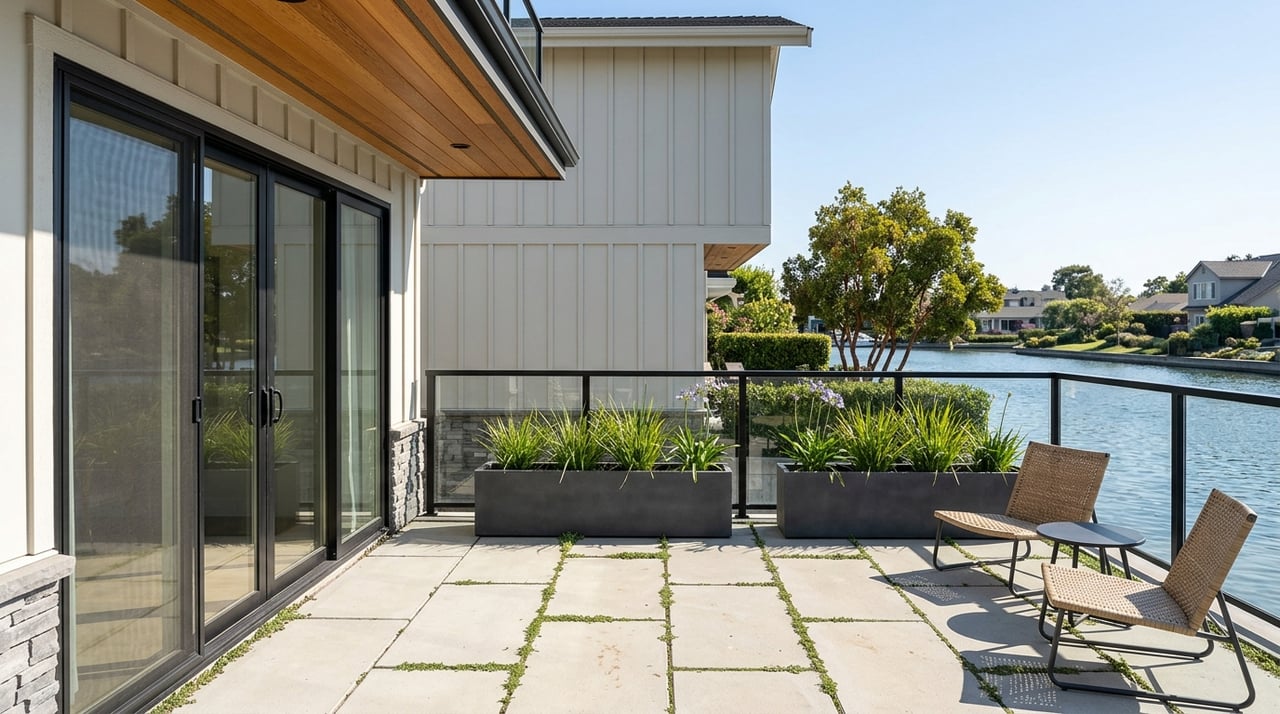
If you picture waterfront living as a weekend escape, Foster City may surprise you. Here, the water is part of daily life, woven through neighborhoods, parks, and walking routes in a way that feels practical as much as scenic. If you are wondering what it is really like to live by the water on the Peninsula, this guide will help you understand how Foster City works, what you can do here, and what tradeoffs to expect. Let’s dive in.
Foster City Waterfront Feels Different
Foster City is a planned community on Brewer’s Island, about 25 miles south of San Francisco on the Peninsula. What makes it stand out is its lagoon-centered layout, with water running through town instead of sitting only at the edge.
That distinction matters when you think about lifestyle. This is not open-ocean or beach living. It is a more residential version of waterfront life, where lagoons, parks, and the levee shape your everyday environment.
The city describes the lagoon system as both a landmark recreational amenity and part of the storm-drain system. It also notes that neighborhoods and neighborhood shopping centers were intentionally designed as micro-communities, which helps explain why many areas feel organized, connected, and easy to live in.
What Everyday Waterfront Living Looks Like
In many waterfront communities, access to the water can feel occasional. In Foster City, it is built into regular routines. The city says its lagoon and waterways cover more than 200 acres, and the lagoon winds five miles through town.
That means your version of waterfront living can be simple and local. You might take a walk along the levee, bike part of the Bay Trail, spend time in a waterfront park, or head out on the lagoon without needing to plan a full day around it.
Water Activities Residents Can Actually Use
Foster City allows a range of water activities that support an active, low-key lifestyle. According to the city, swimming is allowed, and sailing is one of the most popular activities on the lagoon.
The city also lists access for windsurfing, kayaking, paddle boarding, and electric boat rentals. If you like the idea of getting on the water without the noise and wake of heavy boat traffic, that is part of the appeal here.
One notable detail is that powerboats are prohibited. For many buyers, that helps define the atmosphere. The water experience tends to feel calmer, more recreation-focused, and better suited to paddle sports and small craft.
Parks and Trails Extend the Waterfront Lifestyle
Waterfront living in Foster City is not only about being on the water. It is also about what surrounds it. The city reports 218 acres of park space across 24 parks and 8 miles of Bay Trail.
Leo J. Ryan Park is the best-known waterfront gathering space. The city says it includes 20 acres of lawn, lagoon access, a gazebo, a boat launch, a bike path, courts, and rental options.
Boat Park adds another layer of access with launch facilities and a boardwalk. Together, these spaces make the waterfront feel usable and visible in everyday life, not hidden behind private edges.
Housing Near the Water
One reason Foster City appeals to a broad range of Peninsula buyers is that waterfront-adjacent living does not come in just one format. The city says the housing mix includes single-family homes, duplexes, townhomes, apartments, and condos.
That variety can be helpful if you are comparing lifestyle priorities. Some buyers want a detached home with a strong residential feel, while others prefer a lower-maintenance townhome or condo near the lagoon or trail system.
A Planned Community Feel
Foster City was intentionally planned, and that still shapes how it lives today. The community profile notes that the original plan included nine neighborhoods plus Town Center and an industrial area, later adjusted into fourteen neighborhoods.
Many of the street names follow marine themes, which adds to the sense of place. More importantly, the layout tends to feel structured and residential rather than loose or vacation-oriented.
The city also says developers were allowed to create homeowners associations to form their own micro-communities. That helps explain why some waterfront pockets can feel especially self-contained, with their own rhythm and shared spaces.
Commuting From Foster City
For many Peninsula buyers, location is only as good as the weekday reality. Foster City benefits from being close to both San Francisco and Silicon Valley, and it has several shuttle options that support regional commuting.
The city lists free shuttles linking Hillsdale Caltrain to Lincoln Centre and Mariners Island. It also notes a North Foster City shuttle to Millbrae BART and Caltrain, while Commute.org operates the Foster City Commuter Shuttle from Hillsdale Caltrain Station with stops including Triton Park, East 3rd Avenue, Lakeside Drive, and Vintage Park.
That creates a useful option set if you want to reduce drive time or make a train connection part of your routine. For some buyers, this is a major part of why Foster City works so well as a waterfront suburb rather than just a scenic one.
The Tradeoff: Peak Traffic
The practical counterpoint is traffic. Foster City acknowledges regional cut-through traffic around Highway 101 and State Route 92 during peak commute hours.
The city has implemented traffic-relief measures on East Hillsdale, Edgewater, and Shell. Even so, if your schedule depends on predictable travel times, route planning and shuttle use can make a meaningful difference.
Flood Protection and Practical Peace of Mind
Waterfront buyers often ask a simple question: what does living near the water mean from a risk and insurance perspective? In Foster City, the answer starts with understanding how the lagoon and levee system function.
The city says the lagoon acts as a drainage detention basin. It also states that the levee has FEMA certification for protection from the 1-percent annual chance flood.
Another useful point for buyers is the city’s statement that land within city limits is classified as Zone X, where mandatory flood insurance is not required. That does not replace property-specific due diligence, but it does give important context when you are comparing waterfront locations on the Peninsula.
Why Buyers Are Drawn to Foster City
Foster City offers a version of waterfront living that is more livable than flashy. You get visual access to the water, room to move outside, and a network of parks and trails that support everyday routines.
At the same time, the city keeps a practical Peninsula identity. The housing mix is broad, the neighborhoods feel intentional, and the commute options make it possible to pair waterfront surroundings with regional access.
For buyers who want the calm of the water without giving up convenience, Foster City can feel like a very specific fit. It is not trying to be a beach town, and that is exactly why many people find it compelling.
Is Foster City Right for You?
If you are considering a move here, it helps to think in terms of lifestyle fit rather than just map location. Foster City may be especially appealing if you want daily access to water and open space, a planned residential setting, and housing options that range from condos to detached homes.
It may also be a strong match if your work or family life needs Peninsula connectivity. The key is to evaluate not just the view, but also the neighborhood layout, commute pattern, and how often you expect to use the parks, trails, and lagoon access that make this city distinct.
When you look at Foster City through that lens, the value of everyday waterfront living becomes much clearer. It is less about a once-in-a-while amenity and more about how the city supports your routine.
If you are exploring Foster City as a buyer or thinking about how to position a waterfront property for sale, working with a local advisor who understands pricing, location nuance, and lifestyle fit can make the process much clearer. Connect with Savannah Wieser for thoughtful, data-driven guidance tailored to the Peninsula market.
FAQs
What kind of waterfront living does Foster City offer?
- Foster City is best understood as lagoon-and-levee waterfront living, with water woven through neighborhoods rather than open-ocean or beach-style waterfront.
What water activities are available in Foster City?
- The city allows swimming, sailing, windsurfing, kayaking, paddle boarding, fishing, and boat launching, and it notes that powerboats are prohibited.
What types of homes are common in Foster City?
- The city says Foster City includes single-family homes, duplexes, townhomes, apartments, and condos, giving buyers a wide range of housing options near the water.
Is commuting from Foster City realistic for Peninsula buyers?
- Yes, Foster City offers shuttle connections to Hillsdale Caltrain and Millbrae BART/Caltrain, though peak traffic near Highway 101 and State Route 92 is still part of daily life.
What should buyers know about flood protection in Foster City?
- The city says the lagoon serves as a drainage detention basin, the levee has certification for protection from the 1-percent annual chance flood, and land within city limits is classified as Zone X, where mandatory flood insurance is not required.