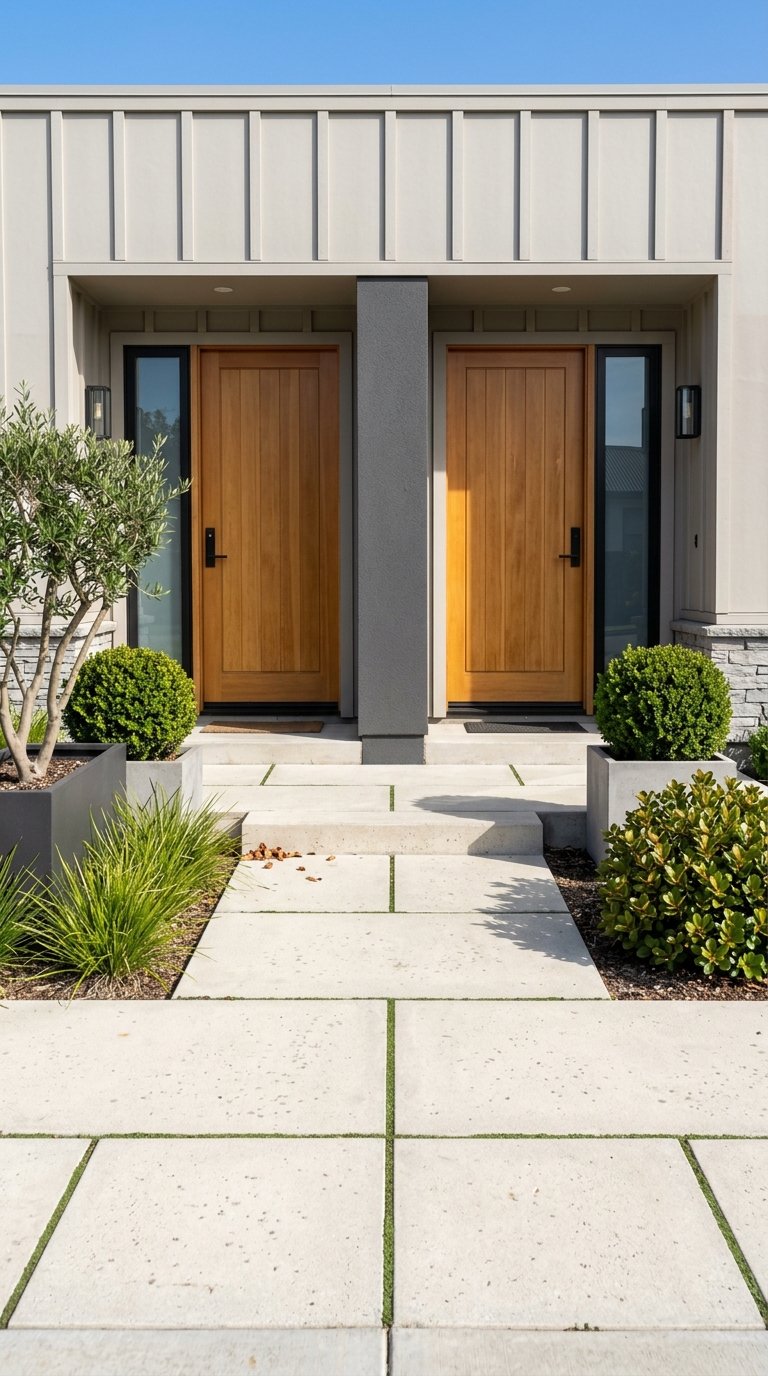
Buying a duplex in Redwood City can look exciting on paper until the underwriting starts. Prices are high, rents are strong, and small mistakes in your assumptions can change the deal fast. If you want to evaluate a duplex investment with more confidence, this guide will walk you through the numbers, the local rules, and the practical filters that matter most in Redwood City. Let’s dive in.
Start With Redwood City Reality
Redwood City is a high-cost, high-rent market, and that matters right away when you underwrite a duplex. According to U.S. Census QuickFacts for Redwood City, the median value of owner-occupied homes is $1,801,700, median gross rent is $2,968, and median household income is $157,814.
That pricing environment is also showing up in the resale market. Redfin’s Redwood City housing market data cited in the research shows a median sale price of about $1.825 million in February 2026 and typical days on market of 12. For you as an investor, that means duplex deals often face tight acquisition pricing and limited room for error.
Build Your Duplex Underwriting Model
A simple duplex underwriting model does not need to be complicated to be useful. The basic flow is:
- Gross scheduled rent
- Less vacancy and credit loss
- Effective gross income
- Less operating expenses
- Net operating income, or NOI
- Cap rate
- Less debt service
- Cash flow
This framework helps you compare properties quickly before you spend time on a deeper review. It also keeps you focused on the main question: does the income support the price and your financing structure?
Know What NOI and Cap Rate Mean
NOI is your income after operating expenses, but before mortgage payments. A basic cap rate definition from NYU Stern explains it simply: cap rate equals NOI divided by current property value.
That matters because many first-pass deals look acceptable until financing enters the picture. A property can have a positive NOI and still produce negative annual cash flow once debt service is added.
Use a Realistic Rent Range
In Redwood City, rent data varies by source, so it is smarter to underwrite a range instead of one exact number. Zillow’s Redwood City rental market page shows an average rent of $3,395, with 1-bedroom units averaging $2,750 and 2-bedroom units averaging $4,000 as of April 10, 2026.
The research also notes that Apartment List’s April 2026 report places the median rent at $3,343, with 1-bedroom rents at $3,613+ and 2-bedroom rents at $4,362+. Taken together, a practical underwriting band for duplex units in Redwood City can land in the high $2,000s to the mid $4,000s per unit, depending on unit size, condition, and location.
Model the Unit Mix Carefully
If a duplex has two 2-bedroom units, your income assumptions may look very different than a 1-bedroom and 2-bedroom mix. Using Zillow’s current averages, a mixed duplex can start around $6,750 per month, or about $81,000 per year.
Using the alternative rent range in the research report, that same mixed setup can be closer to $7,975 per month, or about $95,700 per year. That spread is large enough to materially affect your valuation, so you should test both a conservative and an optimistic scenario.
Adjust for Vacancy and Credit Loss
Gross rent is not the same as collected rent. A basic underwriting model should include a vacancy and credit loss assumption before you move into expenses.
The research example uses a 5% vacancy assumption, which is a reasonable first-pass placeholder for a small property model. If you are underwriting a duplex with one unit vacant, deferred maintenance, or below-market tenants, you may want to stress that assumption further during diligence.
Factor In Redwood City Tenant Rules
Local regulation can materially change your business plan, especially if the deal depends on turnover, rent resets, or renovations. In Redwood City, the Tenant Protection Ordinance became effective January 1, 2026.
The city states that the ordinance applies to all rental units except certain exemptions. One notable exemption is a duplex where the owner lives in one of the units. For an investor-owned, non-owner-occupied duplex, the safer starting assumption is that the ordinance applies unless another exemption clearly fits.
Review Lease and Eviction Rules Early
The city also requires a one-year lease offer at initial lease-up and provides just-cause eviction protections after the qualifying occupancy period. That can affect how quickly you expect to reposition rents or execute a change-of-use plan.
If your strategy depends on future vacancy, do not treat turnover as automatic. Build your timeline and risk analysis around the actual local rules, not just a generic investor playbook.
Understand No-Fault and Remodel Exposure
For value-add deals, no-fault rules are especially important. Redwood City lists no-fault just cause as including owner move-in, withdrawal from the rental market, demolition, and substantial remodel.
The city defines a substantial remodel as work requiring the tenant to vacate for at least 30 days and involving permit-requiring structural, electrical, plumbing, or mechanical work, or hazardous-material abatement. Cosmetic work does not qualify. The city also requires relocation assistance for no-fault terminations, with higher assistance for qualifying low-income households.
For you, this means a renovation plan should be underwritten with real legal and cost exposure in mind, not just construction cost assumptions.
Estimate Property Taxes Correctly
Property taxes are one of the easiest places to underestimate expenses after a purchase. San Mateo County Assessor information says property tax is typically 1% of assessed value, plus voter-approved bonds and special assessments.
The county also notes that Proposition 13 generally limits annual assessment growth to no more than 2% on an existing assessment. But on a purchase, your tax basis typically resets close to the new purchase price, plus local levies.
Use a Tax Placeholder, Not Old Taxes
If you pull a listing and rely on the seller’s current tax bill, your model may be wrong from day one. A safer first-pass method is to use a placeholder above the 1% base rate to reflect bonds and assessments.
The research example uses 1.15% as a property tax placeholder. That is not a final tax quote, but it is a more realistic underwriting input than recycling historical taxes from a lower basis.
Stress-Test Financing Assumptions
Leverage can make or break a Redwood City duplex deal. According to Freddie Mac’s April 9, 2026 release, the 30-year fixed mortgage averaged 6.37%, which is a useful benchmark when you build a financed cash flow model.
At today’s pricing levels, even healthy rents may not fully offset debt service at common loan-to-value levels. That is why many duplex buyers in high-basis markets need one or more of the following:
- A lower purchase basis
- A larger down payment
- Stronger in-place rents
- Future rent growth
- Renovation upside that is actually feasible under local rules
Walk Through an Example
The research report includes a useful illustration based on a recently sold Redwood City duplex. A sold duplex at 1151-1153 Sanchez Way closed at $1.572 million and included two 2-bedroom, 1-bath units, while current duplex and triplex listings in Redwood City 94061 range from $1.498 million to $6.8 million.
If you underwrite that sold duplex at $1.572 million, assume two 2-bedroom units at $4,000 each, apply 5% vacancy, use a 1.15% property tax placeholder, and include $20,000 of other operating expenses, the model produces NOI of about $53,122.
That implies a cap rate of about 3.38%. With 75% loan-to-value financing and a 6.37% mortgage rate benchmark, the example produces annual cash flow after debt service of about negative $35,097.
What the Example Tells You
This does not mean every duplex in Redwood City is a bad investment. It means you should be careful about assuming a high-rent market automatically creates strong cash flow.
In many cases, a duplex here may work better if you are buying with a larger equity contribution, finding a better basis, or pursuing a clearly supportable value-add strategy. Strong underwriting helps you see that before you get emotionally attached to the deal.
Focus on the Assumptions That Matter Most
When you review a Redwood City duplex, a few assumptions usually carry the most weight. These are the areas to pressure-test first:
- Rent range: Is your estimate supported by current local market data and the actual unit mix?
- TPO exposure: Is the property exempt, or should you assume Redwood City tenant protections apply?
- Property tax reset: Have you modeled taxes based on your purchase price instead of the seller’s bill?
- Vacancy and credit loss: Are you using a realistic placeholder instead of assuming full collections?
- Other operating costs: Have you left enough room for repairs, insurance, and management?
- Renovation plan: Would your proposed work trigger the city’s substantial remodel rules and relocation assistance?
If one of these assumptions is off, your projected return can change quickly. If several are off, the deal may not perform the way you expected.
Why Disciplined Underwriting Matters
In a market like Redwood City, disciplined underwriting is not just a finance exercise. It is how you protect your capital and make better acquisition decisions.
A duplex can still be a smart long-term asset in the right scenario, but the numbers need to reflect today’s pricing, current financing costs, local tenant rules, and a realistic path to income. If you want a second set of eyes on a potential purchase or help pressure-testing your assumptions, Savannah Wieser brings a data-driven, advisory approach to Peninsula investment opportunities.
FAQs
What rent should you use when underwriting a Redwood City duplex?
- Use a range, not one exact number. The research report supports a practical band from the high $2,000s to the mid $4,000s per unit depending on size, condition, and location, with Zillow showing 1-bedroom averages at $2,750 and 2-bedroom averages at $4,000.
Does Redwood City tenant protection apply to an investor-owned duplex?
- In many cases, yes. Redwood City says its Tenant Protection Ordinance applies to all rental units except specific exemptions, and a duplex is exempt if the owner lives in one unit, so a non-owner-occupied duplex should generally be reviewed as potentially covered unless another exemption clearly applies.
How should property taxes be estimated for a Redwood City duplex purchase?
- Start with the understanding that taxes usually reset near the new purchase price basis. San Mateo County says property tax is typically 1% of assessed value plus voter-approved bonds and special assessments, so many investors use a placeholder above 1% for underwriting.
What is a substantial remodel for a Redwood City rental property?
- Redwood City defines it as work that requires the tenant to vacate for at least 30 days and includes permit-requiring structural, electrical, plumbing, or mechanical work, or hazardous-material abatement. Cosmetic updates alone do not qualify.
Why can a Redwood City duplex show negative cash flow even with strong rent?
- Because acquisition prices and borrowing costs are high. A property may still produce positive NOI, but once debt service is added at current rates, annual cash flow can turn negative unless the basis, leverage, or rent growth assumptions improve.